
The art of knife sharpening
A skill worth mastering, and a case for the right tools.
Blade maintenance is an essential skill in many trades, and an art that separates the novice from the expert. It demands practice and precision, and even the most experienced hands falter when the tools are poor. In the quest for a perfect edge, both skill and equipment matter, and it pays to understand why.
The skill
Sharpening is not just grinding; it is a dance of angles, pressure and finesse. It is honed through practice, patience and an understanding of the blade's geometry, and mastery of it turns the simplest tool into an instrument of precision. But skill alone is not enough.
The pitfall
Enter the cheap, poorly designed sharpener, a wolf in sheep's clothing. Even a skilled hand can fall victim to the damage it does. These gadgets promise a quick fix and deliver harm instead: they grind and scrape, leaving a once-pristine blade with a jagged edge and a shortened life.
The solution
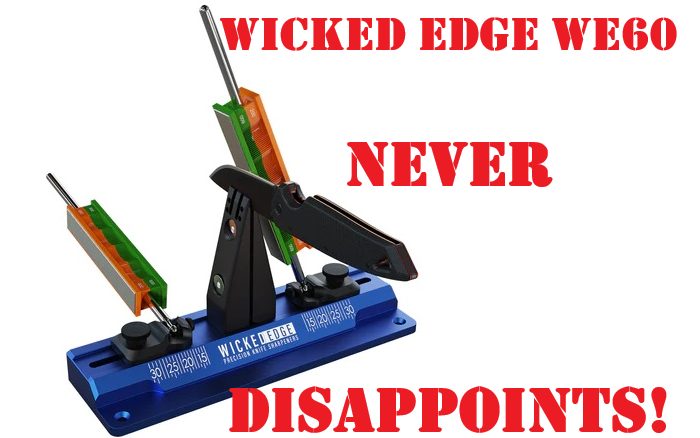
This is where the right equipment makes the difference. A quality sharpening system preserves the integrity of the blade and extends its life and performance. With proper equipment, even someone with limited skill can put a fine edge on a blade in a short time, because the system supplies the two things that matter most: precision and repeatability.
Angle and apex
An edge is two bevels that meet at an apex. Sharpening means removing steel from each bevel until they meet along the whole length of the blade, then refining that apex with finer abrasives until it is smooth. Two things go wrong in freehand sharpening: the angle drifts from stroke to stroke, so the bevels are rounded rather than flat, and the bevels never quite meet, so the knife feels sharp in places and dull in others. A guided system fixes the angle, so every stroke lands where the last one did, and the apex forms cleanly.
The right angle for the knife
There is no single correct angle. A thin kitchen slicer is happiest at a low angle, where it glides through food; a hunting or bushcraft knife wants a more robust edge that will not chip on bone or wood. We choose the angle for the knife and the work it does. Our own handmade knives leave the bench at 20 degrees a side.
Conclusion
Blade maintenance is not a task to take lightly; it is an investment in the life and performance of tools you rely on. It rewards practice and precision, and it depends on quality equipment. Whether you are a seasoned craftsman or new to the workshop, with the right tools the journey from dull to razor-sharp is well within reach, and a well-maintained blade is the key to doing your best work.
If you would rather have it done, we sharpen knives in Potchefstroom from R50.
Knives and sharpening equipment are dangerous if used carelessly. Follow the maker's instructions, keep fingers behind the edge, and if in doubt bring the knife to us. See our terms.